

What is SustainEDU?
SustainEDU is an innovative, education-driven sustainability initiative led by the Human Life Advancement Foundation (HLAF). We transform daily food waste at source into valuable resources through on-site systematic and systemic composting. Guided by our long-term vision of scaling circular impact at the source, SustainEDU bridges theoretical learning with hands-on practice. We empower early learners, youth, and local communities to build lifelong green habits, restore soil health, and cultivate sustainable ecosystems.
The Challenge:
Breaking the Waste Cycle
Every day, massive amounts of food waste are discarded as mere disposal cost, a linear "use-and-dispose" cycle that burdens landfills, degrades ecosystems, and generates harmful greenhouse gas emissions. At the same time, children and communities are growing increasingly disconnected from nature and food sources. Sustainability education is frequently taught as an abstract theory, leaving learners without the practical tools needed to create real environmental or cultural change.
The SustainEDU Solution:
Closing the Loop and Scaling Circular Impact at Source
SustainEDU decentralizes waste management by turning educational centers and communities into living learning environments. Utilizing our specialized Smart Heritage© Composting Method, we empower participants to collect food scraps, compost them into premium organic fertilizers ("Black Gold" solid compost and "Golden Foliar" liquid nutrients), and grow fresh, nutritious produce. Through early intervention and practical STREAM integration (Science, Technology, Religion/Values, Engineering, Arts, Mathematics), we turn waste into a continuous, value-generating cycle.
Driven by Purpose:
The 3P Framework
People
Empowering minds, strengthening community bonds, and promoting holistic well-being for all ages through nature-based learning.
Planet
Protecting natural ecosystems, restoring soil health, and lowering greenhouse emissions directly at the source.
Prosperity
Unlocking economic value, reducing operational waste disposal costs, and driving local resource self-sufficiency.
Driving Global Alignment Across 5 Key SDGs
SDG
4
Quality Education
Integrating practical sustainability, nature literacy, and STREAM learning into curricula.
SDG
11
Sustainable Cities & Communities
Fostering inclusive, zero-waste community ecosystems through shared responsibility.
SDG
12
Responsible Consumption & Production
Transforming linear waste models into circular "Safe & Save" reuse cycles.
SDG
13
Climate Action
Diverting organic waste from landfills to cut direct methane and carbon emissions.
SDG
15
Life on Land
Enriching degraded soil naturally and protecting biodiversity through organic composting.
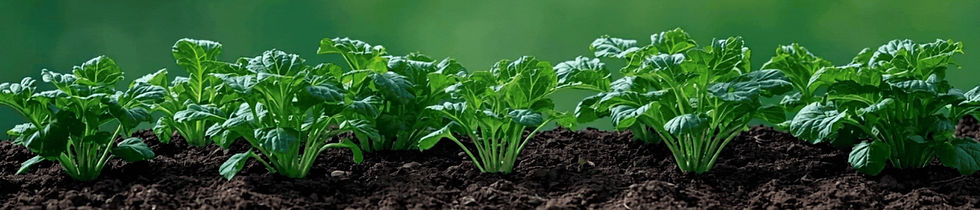
Scaling Circular Impact at Source:
From Food Waste to Fresh Produce through Practical Experience
What We Do:
We drive a complete circular routine that turns waste burdens into educational assets:

Collect
Systematic collection of daily organic food waste.
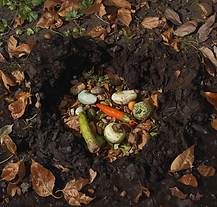
Compost
Conversion of waste (3-7 days) into Golden Foliar and Black Gold using our proprietary Smart Heritage© method.

Grow & Harvest
Cultivating fresh, chemical-free crops using self-made organic fertilizer.

Cook & Feed
Incorporating fresh harvests into healthy, nutritious meals.

SustainEDU Target Groups:
3 main group that would help shape a better community
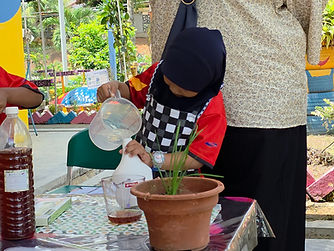


Focused on Behavioral Change and Foundation. Tailored for early childhood education (ages 4–6), this program introduces habit building, nature literacy, and safe food source hands-on awareness through fun, experiential learning.
Focused on Technical Competency and Application. Designed for youth to build green skills, waste-to-resource logistics, CO₂ data tracking, and environmental leadership to prepare them for circular economy innovations.
Focused on Systemic Impact and Integration. Drives long-term cultural change, household / corporate collective action, large-scale CO₂ reduction, and sustainable local food security.